




Mobile And Wireless - Largest Biological Experiment
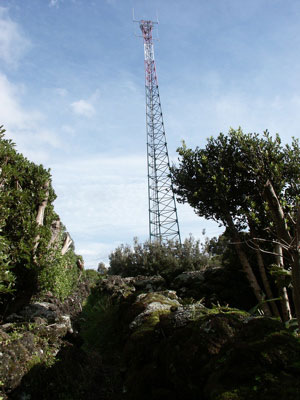
Mobile phone repeater antenna on a remote island in the mid Atlantic
Photo credit: Sepp
It is getting quite difficult to imagine a world without mobile communications. Wireless internet access is set to blanket the planet, just like cell phone networks already do. There has been an explosive development - practically all during the last three decades - that brought mobile to the farthest corners of the earth. But the technology is not without danger. The microwaves that carry bits and packets of data also carry a germ of destruction. Some people - as many as 120,000 Californians - and by implication 1 million Americans - are actually unable to work as they suffer from the incapacitating influence that this cacophony in the ether has on them.We might say they are the unlucky ones who have to suffer for progress to continue - but have you ever heard of canaries in the mines? They were the first ones to die when a potentially deadly but otherwise undetectable accumulation of "mine gas" threatened the lives of the miners working underground. What if those 120.000 Californians and the one million Americans and by extension tens of millions of people world wide are in a very real sense our equivalent of deep-mine canaries? Are we not ignoring their plight at our own very imminent peril?
Arthur Firstenberg, himself a sufferer of what the Russians call "microwave sickness" has put together the salient facts about the largest biological experiment ever, in a very readable article published in the Eldorado Sun.
We cannot call ourselves informed in the wireless debate unless we start looking at its dark side as well as all the positive aspects. Firstenberg's article is as good as any to get us going in this direction ...
- - -
The Largest Biological Experiment Ever
by Arthur Firstenberg
(original in Eldorado Sun)In 2002, Gro Harlem Brundtland, then head of the World Health Organization, told a Norwegian journalist that cell phones were banned from her office in Geneva because she personally becomes ill if a cell phone is brought within about four meters (13 feet) of her. Mrs. Brundtland is a medical doctor and former Prime Minister of Norway. This sensational news, published March 9, 2002 in Dagbladet, was ignored by every other newspaper in the world. The following week Michael Repacholi, her subordinate in charge of the International EMF (electromagnetic field) Project, responded with a public statement belittling his boss’s concerns. Five months later, for reasons that many suspect were related to these circumstances, Mrs. Brundtland announced she would step down from her leadership post at the WHO after just one term.
Nothing could better illustrate our collective schizophrenia when it comes to thinking about electromagnetic radiation. We respond to those who are worried about its dangers — hence the International EMF Project — but we ignore and marginalize those, like Mrs. Brundtland, who have already succumbed to its effects.As a consultant on the health effects of wireless technology, I receive calls that can be broadly divided into two main groups: those from people who are merely worried, whom I will call A, and those from people who are already sick, whom I will call B. I sometimes wish I could arrange a large conference call and have the two groups talk to each other — there needs to be more mutual understanding so that we are all trying to solve the same problems. Caller A, worried, commonly asks what kind of shield to buy for his cell phone or what kind of headset to wear with it. Sometimes he wants to know what is a safe distance to live from a cell tower. Caller B, sick, wants to know what kind of shielding to put on her house, what kind of medical treatment to get, or, increasingly often, what part of the country she could move to to escape the radiation to save her life.
The following is designed as a sort of a primer: first, to help everybody get more or less on the same page, and second, to clear up some of the confusions so that we can make rational decisions toward a healthier world.
FundamentalsThe most basic fact about cell phones and cell towers is that they emit microwave radiation; so do Wi-Fi (wireless Internet) antennas, wireless computers, cordless (portable) phones and their base units, and all other wireless devices. If it’s a communication device and it’s not attached to the wall by a wire, it’s emitting radiation. Most Wi-Fi systems and some cordless phones operate at the exact same frequency as a microwave oven, while other devices use a different frequency. Wi-Fi is always on and always radiating. The base units of most cordless phones are always radiating, even when no one is using the phone. A cell phone that is on but not in use is also radiating. And, needless to say, cell towers are always radiating.
Why is this a problem, you might ask? Scientists usually divide the electromagnetic spectrum into “ionizing” and “non-ionizing.” Ionizing radiation, which includes x-rays and atomic radiation, causes cancer. Non-ionizing radiation, which includes microwave radiation, is supposed to be safe. This distinction always reminded me of the propaganda in George Orwell’s Animal Farm: “Four legs good, two legs bad.” “Non-ionizing good, ionizing bad” is as little to be trusted.
An astronomer once quipped that if Neil Armstrong had taken a cell phone to the Moon in 1969, it would have appeared to be the third most powerful source of microwave radiation in the universe, next only to the Sun and the Milky Way. He was right. Life evolved with negligible levels of microwave radiation. An increasing number of scientists speculate that our own cells, in fact, use the microwave spectrum to communicate with one another, like children whispering in the dark, and that cell phones, like jackhammers, interfere with their signaling. In any case, it is a fact that we are all being bombarded, day in and day out, whether we use a cell phone or not, by an amount of microwave radiation that is some ten million times as strong as the average natural background. And it is also a fact that most of this radiation is due to technology that has been developed since the 1970s.
As far as cell phones themselves are concerned, if you put one up to your head you are damaging your brain in a number of different ways. First, think of a microwave oven. A cell phone, like a microwave oven and unlike a hot shower, heats you from the inside out, not from the outside in. And there are no sensory nerve endings in the brain to warn you of a rise in temperature because we did not evolve with microwave radiation, and this never happens in nature. Worse, the structure of the head and brain is so complex and non-uniform that “hot spots” are produced, where heating can be tens or hundreds of times what it is nearby. Hot spots can occur both close to the surface of the skull and deep within the brain, and also on a molecular level.
Cell phones are regulated by the Federal Communications Commission, and you can find, in the packaging of most new phones, a number called the Specific Absorption Rate, or SAR, which is supposed to indicate the rate at which energy is absorbed by the brain from that particular model. One problem, however, is the arbitrary assumption, upon which the FCC’s regulations are based, that the brain can safely dissipate added heat at a rate of up to 1 degree C per hour. Compounding this is the scandalous procedure used to demonstrate compliance with these limits and give each cell phone its SAR rating. The standard way to measure SAR is on a “phantom” consisting, incredibly, of a homogenous fluid encased in Plexiglas in the shape of a head. Presto, no hot spots! But in reality, people who use cell phones for hours per day are chronically heating places in their brain. The FCC’s safety standard, by the way, was developed by electrical engineers, not doctors.
The Blood-Brain BarrierThe second effect that I want to focus on, which has been proven in the laboratory, should by itself have been enough to shut down this industry and should be enough to scare away anyone from ever using a cell phone again. I call it the “smoking gun” of cell phone experiments. Like most biological effects of microwave radiation, this has nothing to do with heating.
The brain is protected by tight junctions between adjacent cells of capillary walls, the so-called blood-brain barrier, which, like a border patrol, lets nutrients pass through from the blood to the brain, but keeps toxic substances out. Since 1988, researchers in the laboratory of a Swedish neurosurgeon, Leif Salford, have been running variations on this simple experiment: they expose young laboratory rats to either a cell phone or other source of microwave radiation, and later they sacrifice the animals and look for albumin in their brain tissue. Albumin is a protein that is a normal component of blood but that does not normally cross the blood-brain barrier. The presence of albumin in brain tissue is always a sign that blood vessels have been damaged and that the brain has lost some of its protection.
Here is what these researchers have found, consistently for 18 years: Microwave radiation, at doses equal to a cell phone’s emissions, causes albumin to be found in brain tissue. A one-time exposure to an ordinary cell phone for just two minutes causes albumin to leak into the brain. In one set of experiments, reducing the exposure level by a factor of 1,000 actually increased the damage to the blood-brain barrier, showing that this is not a dose-response effect and that reducing the power will not make wireless technology safer. And finally, in research published in June 2003, a single two-hour exposure to a cell phone, just once during its lifetime, permanently damaged the blood-brain barrier and, on autopsy 50 days later, was found to have damaged or destroyed up to 2 percent of an animal’s brain cells, including cells in areas of the brain concerned with learning, memory and movement.1 Reducing the exposure level by a factor of 10 or 100, thereby duplicating the effect of wearing a headset, moving a cell phone further from your body, or standing next to somebody else’s phone, did not appreciably change the results! Even at the lowest exposure, half the animals had a moderate to high number of damaged neurons.
The implications for us? Two minutes on a cell phone disrupts the blood-brain barrier, two hours on a cell phone causes permanent brain damage, and secondhand radiation may be almost as bad. The blood-brain barrier is the same in a rat and a human being.
These results caused enough of a commotion in Europe that in November 2003 a conference was held, sponsored by the European Union, titled “The Blood-Brain Barrier — Can It Be Influenced by RF [radio frequency]-Field Interactions?” as if to reassure the public: “See, we are doing something about this.” But, predictably, nothing was done about it, as nothing has been done about it for 30 years.
America’s Allan Frey, during the 1970s, was the first of many to demonstrate that low-level microwave radiation damages the blood-brain barrier.2 Similar mechanisms protect the eye (the blood-vitreous barrier) and the fetus (the placental barrier), and the work of Frey and others indicates that microwave radiation damages those barriers also.3 The implication:
No pregnant woman should ever be using a cell phone.Dr. Salford is quite outspoken about his work. He has called the use of handheld
cell phones “the largest human biological experiment ever.” And he has publicly warned that a whole generation of cell-phone-using teenagers may suffer from mental deficits or Alzheimer’s disease by the time they reach middle age.
Radio-Wave SicknessUnfortunately, cell phone users are not the only ones being injured, nor should we be worried only about the brain. The following brief summary is distilled from a vast scientific literature on the effects of radio waves (a larger spectrum which includes microwaves), together with the experiences of scientists and doctors all over the world with whom I am in contact.
Organs that have been shown to be especially susceptible to radio waves include the lungs, nervous system, heart, eyes, testes and thyroid gland. Diseases that have increased remarkably in the last couple of decades, and that there is good reason to connect with the massive increase in radiation in our environment, include asthma, sleep disorders, anxiety disorders, attention deficit disorder, autism, multiple sclerosis, ALS, Alzheimer’s disease, epilepsy, fibromyalgia, chronic fatigue syndrome, cataracts, hypothyroidism, diabetes, malignant melanoma, testicular cancer, and heart attacks and strokes in young people. Radiation from microwave towers has also been associated with forest die-off, reproductive failure and population decline in many species of birds, and ill health and birth deformities in farm animals. The literature showing biological effects of microwave radiation is truly enormous, running to tens of thousands of documents, and I am amazed that industry spokespersons are getting away with saying that wireless technology has been proved safe or — just as ridiculous — that there is no evidence of harm.
I have omitted one disease from the above list: the illness that Caller B has, and that I have. A short history is in order here. In the 1950s and 1960s workers who built, tested and repaired radar equipment came down with this disease in large numbers. So did operators of industrial microwave heaters and sealers. The Soviets named it, appropriately, radio wave sickness, and studied it extensively. In the West its existence was denied totally, but workers came down with it anyway. Witness congressional hearings held in 1981, chaired by then Representative Al Gore, on the health effects of radio-frequency heaters and sealers, another episode in “See, we are doing something about this,” while nothing is done.
Today, with the mass proliferation of radio towers and personal transmitters, the disease has spread like a plague into the general population. Estimates of its prevalence range up to one-third of the population, but it is rarely recognized for what it is until it has so disabled a person that he or she can no longer participate in society. You may recognize some of its common symptoms: insomnia, dizziness, nausea, headaches, fatigue, memory loss, inability to concentrate, depression, chest discomfort, ringing in the ears. Patients may also develop medical problems such as chronic respiratory infections, heart arrhythmias, sudden fluctuations in blood pressure, uncontrolled blood sugar, dehydration, and even seizures and internal bleeding.
What makes this disease so difficult to accept, and even more difficult to cope with, is that no treatment is likely to succeed unless one can also avoid exposure to its cause — and its cause is now everywhere. A 1998 survey by the California Department of Health Services indicated that at that time 120,000 Californians — and by implication 1 million Americans — were unable to work due to electromagnetic pollution.4 The ranks of these so-called electrically sensitive are swelling in almost every country in the world, marginalized, stigmatized and ignored. With the level of radiation everywhere today, they almost never recover and sometimes take their own lives.
“They are acting as a warning for all of us,” says Dr. Olle Johansson of people with this illness. “It could be a major mistake to subject the entire world’s population to whole-body irradiation, 24 hours a day.” A neuroscientist at the famous Karolinska Institute in Stockholm, Dr. Johansson heads a research team that is documenting a significant and permanent worsening of the public health that began precisely when the second-generation, 1800 MHz cell phones were introduced into Sweden in late l997.5,6 After a decade-long decline, the number of Swedish workers on sick leave began to rise in late 1997 and more than doubled during the next five years. During the same period of time, sales of antidepressant drugs also doubled. The number of traffic accidents, after declining for years, began to climb again in 1997. The number of deaths from Alzheimer’s disease, after declining for several years, rose sharply in 1999 and had nearly doubled by 2001. This two-year delay is understandable when one considers that Alzheimer’s disease requires some time to develop.
Uncontrolled ProliferationIf cell phones and cell towers are really deadly, have the radio and TV towers that we have been living with for a century been safe? In 2002 Örjan Hallberg and Olle Johansson coauthored a paper titled “Cancer Trends During the 20th Century,” which examined one aspect of that question.7 They found, in the United States, Sweden and dozens of other countries, that mortality rates for skin melanoma and for bladder, prostate, colon, breast and lung cancers closely paralleled the degree of public exposure to radio waves during the past hundred years. When radio broadcasting increased in a given location, so did those forms of cancer; when it decreased, so did those forms of cancer. And, a sensational finding: country by country — and county by county in Sweden — they found, statistically, that exposure to radio waves appears to be as big a factor in causing lung cancer as cigarette smoking!
Which brings me to address a widespread misconception. The biggest difference between the cell towers of today and the radio towers of the past is not their safety, but their numbers. The number of ordinary radio stations in the United States today is still less than 14,000. But cell towers and Wi-Fi towers number in the hundreds of thousands, and cell phones, wireless computers, cordless telephones and two-way radios number in the hundreds of millions. Radar facilities and emergency communication networks are also proliferating out of control. Since 1978, when the Environmental Protection Agency last surveyed the radio frequency environment in the United States, the average urban dweller’s exposure to radio waves has increased 1,000-fold, most of this increase occurring in just the last nine years.8 In the same period of time, radio pollution has spread from the cities to rest like a ubiquitous fog over the entire planet.
The vast human consequences of all this are being ignored. Since the late 1990s a whole new class of environmental refugees has been created right here in the United States. We have more and more people, sick, dying, seeking relief from our suffering, leaving our homes and our livelihoods, living in cars, trailers and tents in remote places. Unlike victims of hurricanes and earthquakes, we are not the subject of any relief efforts. No one is donating money to help us, to buy us a protected refuge; no one is volunteering to forego their cell phones, their wireless computers and their cordless phones so that we can once more be their neighbors and live among them.
The worried and the sick have not yet opened their hearts to each other, but they are asking questions. To answer caller A: No shield or headset will protect you from your cell or portable phone. There is no safe distance from a cell tower. If your cell phone or your wireless computer works where you live, you are being irradiated 24 hours a day.
To caller B: To effectively shield a house is difficult and rarely successful. There are only a few doctors in the United States attempting to treat radio wave sickness, and their success rate is poor — because there are few places left on Earth where one can go to escape this radiation and recover.
Yes, radiation comes down from satellites, too; they are part of the problem, not the solution. There is simply no way to make wireless technology safe.
Our society has become both socially and economically dependent, in just one short decade, upon a technology that is doing tremendous damage to the fabric of our world. The more entrenched we let ourselves become in it, the more difficult it will become to change our course. The time to extricate ourselves, both individually and collectively — difficult though it is already is — is now.
NOTES
1. Leif G. Salford et al., “Nerve Cell Damage in Mammalian Brain After Exposure to Microwaves from GSM Mobile Phones,” Environmental Health Perspectives 111, no. 7 (2003): 881–883.
2. Allan H. Frey, Sondra R. Feld and Barbara Frey, “Neural Function and Behavior,” Annals of the New York Academy of Sciences 247 (1975): 433–439.
3. Allan H. Frey, “Evolution and Results
of Biological Research with Low-Intensity Nonionizing Radiation,” in Modern Bioelectricity, ed. Andrew A. Marino (New York: Dekker, 1988), 785–837, at 809–810.4. California EMF Program, The Risk Evaluation: An Evaluation of the Possible Risks From Electric and Magnetic Fields (EMFs) From Power Lines, Internal Wiring, Electrical Occupations and Appliances (2002), app. 3.
5. Örjan Hallberg and Olle Johansson, “1997 — A Curious Year in Sweden,” European Journal of Cancer Prevention 13, no. 6 (2004): 535–538.
6. Örjan Hallberg and Olle Johansson, “Does GSM 1800 MHz Affect the Public Health in Sweden?” in Proceedings of the 3rd International Workshop “Biological Effects of EMFs,” Kos, Greece, October 4-8, 2004, 361–364.
7. Örjan Hallberg and Olle Johansson, “Cancer Trends During the 20th Century,”
Journal of Australian College of Nutritional and Environmental Medicine 21, no. 1 (2002): 3–8.8. David E. Janes Jr., “Radiofrequency Environments in the United States,” in 15th IEEE Conference on Communication, Boston, MA, June 10–14, 1979, vol. 2, 31.4.1–31.4.5.
- - -
Microwave News: FDA knew more than a decade ago...In the spring of 1993 at the height of public concern over cell phone-brain tumor risks, Food and Drug Administration (FDA) biologists concluded that the
available data "strongly suggest" that microwaves can "accelerate the development of cancer." This assessment is in an internal agency memo recently obtained by Microwave News under the Freedom of Information Act."Of approximately eight chronic animal experiments known to us, five resulted in increased numbers of malignancies, accelerated progression of tumors, or
both," wrote Drs. Mays Swicord and Larry Cress of FDA's Center for Devices and Radiological Health (CDRH) in Rockville, MD. They also pointed to other evidence from laboratory (in vitro) studies that supported a cancer risk.Yet, in its public statements at that time, the agency played down these findings. For instance, in a Talk Paper issued in early February, the FDA stated that there was "limited evidence that suggests that lower levels [of microwaves] might cause adverse health effects."
"A few studies suggest that [microwave] levels [from cellular phones] can accelerate the development of cancer in laboratory animals," the FDA added, "but there is much uncertainty among scientists about whether these results apply to the use of cellular
phones.".... the story continues:
But in a letter submitted to the U.S. House of Representatives four years later during May 1997, the FDA stated "Little is known about the possible health effects of repeated or long-term exposure to low levels of radiofrequency radiation (RFR) of the types emitted by wireless communications devices."
And again in February, 2000, the FDA issued a Nomination reiterating their position, stating "There is currently insufficient scientific basis for concluding either that wireless communication technologies are safe or that they pose a risk to millions of users. A significant research effort, involving large well-planned animal experiments is needed to provide the basis to assess the risk to human health of wireless communications devices."
Dr. Swicord joined Motorola after leaving the FDA and is also the Chief Editor on the editorial staff of BEMS (BioElectro-Magnetics Society).
- - -
See related:Swimming In A Deadly Sea: Awash In Radiation
Part OneAlthough most of us are unaware of it, we are literally swimming in sea of radiation. Some of it is natural, like the cosmic rays that bombard our planet from space, trace amounts from elements that occur naturally in the ground, and even microwave radiation from sunspots and solar flares. But increasingly, the radiation we are subjected to comes from man-made sources, ranging from medical X-rays to leakage from appliances to cell phones. While much has been written about man-made radiation, most of us have little understanding of what it is and how it might affect us.
Swimming In A Deadly Sea: Awash In Radiation
Part Two
Over 1 in 10 Complain About Cell Sickness
By Kim Tae-gyu
The Korea Times
Mobile operators and governments have claimed cell phones don't emit enough microwaves harm people, but sensitive Koreans are feeling their negative effects. According to a survey by Rep. Suh Hae-suk at the governing Uri Party, 10.9 percent of 1,034 respondents said that they felt physical disorders due to cell phone usage.- - -
Here are some links from the latest weekly newsletter of Buergerwelle Germany' Citizens Initiative Omega, compiled by Klaus Rudolph. This newsletter deals exclusively with issues of microwave and other emf-wave damage and is a good source for continuous updates.
To subscribe, you can send a blank email to
emf-omega-news-subscribe@yahoogroups.com- - -
Cardiovascular risk in operators under radiofrequency electromagnetic radiation
Effects of intensive and moderate cellular phone use on hearing function
--------
Other links:
Do you have Microwave Sickness?
Dr. George Carlo, who used to run a multi-million dollar research program for the cell phone industry and went public regarding the dangers posed by cell phones, uses the analogy of putting a frog in water. If you put a frog in boiling water, it will jump out. However, if you put a frog in cold water and gradually heat the water, you can cook the frog because the frog's body will adjust to the slight changes in temperature and it will not notice it is being cooked. Well, the same thing might be happening to an unsuspecting public - a public that has not been informed about the real dangers of microwave radiation from cell phones, WiFi and other high-frequency-radiation emitting devices and antennas. The truth of the matter, your cell phone and your WiFi might very well indeed be making you and those around you sick!
Drowning in a Sea of Microwaves
The increasing popularity of wi-fi comes on the heels of the explosive growth in wireless mobile telephones, and amid heightened concerns over the health hazards of saturating levels of electromagnetic radiation. Microwaves at current exposure levels are linked to brain damage, DNA damage, brain tumours, cancers, microwave sickness, impairment of cognitive functions, impairment of reproduction and fertility, affecting humans, rodents, birds, and bees.
Science and Public Policy Institute
Cell phones Invisible hazards of the wireless age
Few people would be surprised to hear that cell phones are unhealthy. But how many of us actually know the degree of damage they cause, the extent of the cover-up by the industry, or that there is a viable solution? Dr. George Carlo, a mobile phone industry whistleblower, recently presented a talk in Vancouver about how electropollution from wireless technology can cause brain damage, cancer and an array of mental illnesses. I checked his facts against recent, peer-reviewed scientific papers and the results were startling. Dr. Carlo explained why the industry's user manuals don't warn of these health hazards: currently, there are pending class action lawsuits against them, which threaten to expose the entire industry, similar to the cases brought against "Big Tobacco", and the asbestos and silicone breast implant industries...
Australian Research Shows Mobile Phones Affect Brain Function
The Health Implications Of Playing With Big Brother's Most Cool Tool - Pt 2
By Amy Worthington
The Idaho Observer 6-9-6
Mobile phone emissions and human brain excitability
Italian study on brain excitability by GSM mobile phone radiation. The double blind study shows that the brains of volunteers were definitely affected by exposure to the cell phone radiation.
Cell Phones - More Damning Evidence
The effects of the radiation can produce a wide range of physical symptoms. Some symptoms may take years to show up. Some of the effects can be short-term while other effects can be long-term or permanent. Opening the blood-brain barrier allows toxins into the brain that cause a wide range of ailments - many of which are currently unknown or poorly understood.
Do Microwave Technologies Cause Chronic Fatigue?
Scientists develop new terahertz material
Researchers at Los Alamos National Laboratory have created a device for manipulating terahertz (THz) radiation. The device could be the basis for novel electronics and photonics applications ranging from new imaging methods to advanced communication technologies. The THz range of the electromagnetic spectrum lies between the infrared and microwave wavelengths.
New wireless technology to be developed
"The project's goal is basically to create a small, low-power handheld device that combines a spectrum analyzer and a truly powerful communication device," said Ayazi, a Georgia Tech associate professor of electrical and computer engineering. "We are basically looking for orders-of-magnitude improvement in performance, size and cost. The ultimate goal," he added, "is to integrate Analog Spectral Processors with high-speed electronics on a single chip and bring unprecedented capabilities to the wireless world."Health concerns over mobile phone masts prompt review
Originally promised three years ago, and then shelved, the review follows articles in The Independent on Sunday about possible effects of the radiation on children and bees. The Government will take account of new scientific and medical evidence, and consult experts and campaigners, as part of a wider review of planning guidelines which ministers send to local authorities. More than 47,000 "base stations", like masts, have already been erected in Britain to service its 50 million mobile phones, often in defiance of intense local public opposition. Successive governments have made extraordinary concessions to the companies to ensure that coverage was rolled out across the country as quickly as possible.
World's safest mobile phone on way
The Wi-Guard technology works by randomising the field so it becomes more similar to naturally occurring electromagnetic fields that the body can deal with. Lawler said the amount of radiation emitted by man-made electromagnetic fields was one billion times higher than in 1950, due predominantly to the massive rise in the number of mobile phones and wireless laptops being used over the past decade.
This is an interesting technology, as randomizing the extra low frequency pattern could indeed make the radiation from cell phones and wireless devices less harmful for biological organisms. Of course it would be more efficient to implement this concept not as a remediation effort but as a basic feature of wireless standards...
Wireless broadband Internet access is all the rage.
The noise is drowning out concerns for this technology's risks.
In 2004, the International Association of Fire Fighters (IAFF) decided that they would not permit cell phone antennas on firehouses. The decision was made by resolution at the IAFF's annual delegate assembly. The resolution directed the IAFF to review the potential health risks from cell antennas. If the science demonstrated a risk, then the union would oppose the use of fire stations as sites for cell antennas until further science demonstrated that cell antennas are safe. The resolution was passed in August 2004. In April 2005, the union's Health and Safety Department completed the review of the science. They found more than ample evidence to conclude that the union should oppose cell antennas on fire stations. The position paper included 49 references and a bibliography of 40 citations.
New doubts raised over mobile phone safety
Prof Seger said: "The real significance of our findings is that cells are not inert to non-thermal mobile phone radiation. "We used radiation power levels that were around 1/10th of those produced by a normal mobile. The changes we observed were clearly not caused by heating."
EU watchdog calls for urgent action on Wi-Fi, mobile phone radiation
Europe's top environmental watchdog is calling for immediate action to reduce exposure to radiation from Wi-Fi, mobile phones and their masts. It suggests that delay could lead to a health crisis similar to those caused by asbestos, smoking and lead in petrol. The warning, from the EU's European Environment Agency (EEA) follows an international scientific review which concluded that safety limits set for the radiation are "thousands of times too lenient", and an official British report last week which concluded that it could not rule out the development of cancers from using mobile phones.
The hidden menace of mobile phones
Using a mobile phone for more than 10 years increases the risk of getting brain cancer, according to the most comprehensive study of the risks yet published. The study – which contradicts official pronouncements that there is no danger of getting the disease – found that people who have had the phones for a decade or more are twice as likely to get a malignant tumour on the side of the brain where they hold the handset. The scientists who conducted the research say using a mobile for just an hour every working day during that period is enough to increase the risk – and that the international standard used to protect users from the radiation emitted is "not safe" and "needs to be revised".
The Radiation Poisoning Of America
The public has no vote, no voice, no choice. Chronic exposure to scientifically indefensible levels of DNA-ravaging radiation is now compulsory for everyone in America. This is why Garcia and Jasso are ill today; this why the industry enjoys unchallenged power to place dangerous transmitters in residential and commercial areas with unsafe setbacks and this is why untold thousands of Americans in buildings with transmitters on the roof are given no safety warnings, though they work and dwell in carcinogenic electromagnetic fields. In the meantime, the radiation industry rakes in $billions in quarterly profits, none of which is set aside for to pay for the national health catastrophe at hand.
Birds, Bees and Mobile Microwaves
Our natural world is under assault from human activity. The trouble is, to recognise damage to nature reveals also the risk to ourselves. 'Progress' is in the hands not of individual people, nor their elected representatives and politicians. It is in the hands of the free market, the large corporates who set the direction of our world through creating profit streams however they can. We don't have to identify this as evil; rather it is almost inevitable. We are persuaded of the benefits of convenience and consumerism, and we are the source of the profits and the stimulant to corporate behaviour and the setters of social trends. What we must do is to observe, to ask questions, and be honest enough with ourselves to recognise that nothing we do is without consequence. If we are custodians of our children's futures, we must accept individual and joint responsibility for the condition of our planet.
Nerve Cell Damage in Mammalian Brain after Exposure to Microwaves from GSM Mobile Phones (PDF)
The possible risk of radio-frequency electromagnetic fields for the human body is a growing concern for our society. We have previously shown that weak pulsed microwaves give rise to a significant leakage of albumin through the blood–brain barrier. In this study we investigated whether a pathologic leakage across the blood–brain barrier might be combined with damage to the neurons.Three groups each of eight rats were exposed for 2 hr to Global System for Mobile Communications (GSM) mobile phone electromagnetic fields of different strengths. We found highly significant evidence for neuronal damage in the cortex, hippocampus, and basal ganglia in the brains of exposed rats.
Wi-Fi and Wi-Max - What's Wrong With That?
We currently have no studies that are specific to Wi-Fi. However, when assessing the safety issue we can and should look at technologies that are similar and relevant to Wi-Fi to draw our conclusions. This would seem appropriate since Wi-Fi operates in the same manner as other more heavily studies similar technology and the basic mechanism of harm from all wireless technology is the same.Two-time Nobel Prize nominee, Dr. Gerald Hyland, a physicist, had this to say about cell phone towers. "Existing safety guidelines for cell phone towers are completely inadequate. Quite justifiably, the public remains skeptical of attempts by government and industry to reassure them that all is well, particularly given the unethical way in which they often operate symbiotically so as to promote their own vested interests."
Bees, Birds and Mankind - Destroying Nature by 'Electrosmog'
This is an extremely important brochure that has been composed and sponsored by the Competence Initiative, an alliance of scientists and medical doctors who are concerned with electromagnetic pollution of our environment. The negative impact of cellphone technology on insects and birds is posing an extremely grave risk on the environmental health of the planet. Human beings are not immune. Several mechanisms of damage are known in Medicine. Cellphone technology was never safety tested and now both animals and humans around the world are paying the consequences of this criminal neglect sponsored by the World Health Organization and the ICNIRP (the International Commission on Non-Ionizing Radiation Protection).This one is a long read at over 40 pages, but it is the best compilation of the science regarding radiation damage to insects, birds and mammals I have yet seen. Explains the problem in layman's terms but also provides all the scientific references for who wants to delve deeper into the rabbit hole.
posted by Sepp Hasslberger on Thursday April 20 2006
updated on Tuesday December 7 2010URL of this article:
http://www.newmediaexplorer.org/sepp/2006/04/20/mobile_and_wireless_largest_biological_experiment.htm
Related ArticlesGRAVE Cell Phone Dangers Revealed...
..."public health scientist George Carlo found that rare tumors on the outside of the brain are more than doubled among cell phone callers  particularly on the right side of the head where `phones are usually held... Here is more support for the earlier post: "Em Fields On Brain Tumor Incidence - Chemicals And Cell Phones" the evidence is so compelling and the regulatory bodies will continually get usurped by... [read more]
February 15, 2005 - Chris GuptaThe Cell Phone Experiment: Is Mobile Communication Worth The Risk?
Undoubtedly mobile phones and wireless broadband are immensely useful, but there is a persistent question: what are the risks of using these technologies? Many of us asking the "risk" question are - alas - not necessarily informed or even willing to consider the benefits of networking, and those planning the digital and mobile revolution have hardly heard about the risks. Providers are reluctant to discuss the health implications of the... [read more]
December 14, 2005 - Sepp HasslbergerMobile Phones Increase Tumor Risk, Study Says
Further to the post: Em Fields On Brain Tumor Incidence - Chemicals And Cell Phones Chris Gupta ---------------------- Mobile Phones Increase Tumor Risk, Study Says Thu Oct 14, 1:38 AM ET STOCKHOLM (Reuters) - Ten or more years of mobile phone use increases the risk of developing acoustic neuroma, a benign tumor on the auditory nerve, according to a study released on Wednesday by Sweden's Karolinska Institute. The risk was... [read more]
November 03, 2004 - Chris GuptaChildren, cell phones and psychiatry
Now what does a psychiatrist have to do with cell phones, you may ask. Psychiatrists are the "experts" in mental health - our mental health. So they recognize when you're delusional if you should start to complain about symptoms from radiation overdosing, for example from your cell phone. Here is an exchange of messages forwarded by Jennie Gorman, about this matter. It illustrates the connection and leads us right back... [read more]
September 02, 2003 - Sepp HasslbergerBad News For Cell Phone Users
According to a study published in the June issue of "Environmental Health Perspectives", researchers have documented damage to nerve cells in the brains of rats they exposed to the type of radiation cell phone users get when calling their friends or family. The damaging mechanism seems to be a weakening of the blood-brain barrier, a kind of filter which protects the brain from toxic or otherwise unwanted chemicals circulated with... [read more]
October 01, 2003 - Sepp HasslbergerCell phones are not innocuous
There is considerable resistance by groups in affected neighbourhoods to the construction of cell-phone relay towers. Their operation close to Schools and other places where children are normally present, is prohibited in several countries. But the phones themselves? They are not as innocuous as the telecoms and the manufacturers would have you believe. Amy Worthington informs us that recent studies confirm that cell and cordless phone microwave can: *Damage nerves... [read more]
June 07, 2003 - Sepp Hasslberger


