



THE TRUTH ABOUT HOMEOPATHY - Dispelling the MYTHS that Surround it!
Homeopathy, based on discoveries by Samuel Hahnemann, a German physician, pre-dates what we call modern medicine by more than a century. It works on the principle that the information contained in many substances can be potentiated or strengthened by a process of dilution and mixing. The working principle is that a substance that causes symptoms similar to that of a disease will - if used in homeopathic dilution - supply the information that allows the body to end the disease process.
Hahnemann observed from his experiments with cinchona bark, used as a treatment for malaria, that the effects he experienced from ingesting the bark were similar to the symptoms of malaria. He therefore reasoned that cure proceeds through similarity, and that treatments must be able to produce symptoms in healthy individuals similar to those of the disease being treated. Through further experiments with other substances, Hahnemann conceived of the "law of similars", otherwise known as "like cures like" (Latin: similia similibus curentur) as a fundamental healing principle.Ever since Rockefeller's pharmaceutical approach to medicine gained ascendancy first in the United States and then in the entire Western world, homeopaths have been maligned, ridiculed, and hindered at every turn. No wonder, there were in the way of a very profitable business based on chemistry and poison.
In Europe, homeopaths retained some of their influence, but an EU law intended to guarantee the availability of homeopathic remedies as medicines in all member states is being widely used to allow certain remedies and disallow others. In Italy, for instance there are limitations on injectable homeopathic remedies and a ban on certain starting materials for the production of remedies that are considered "off limits".The campaign against homeopathy has gone on for decades and it intensifies every time it looks like the method might achieve a breakthrough in public acceptance. Significantly, support from the British Royal family for alternative medicine and homeopathy in particular has resulted in a flurry of media attacks on homeopathy in the United Kingdom.
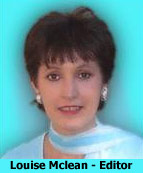
Louise Mclean, the Editor of Zeus Information Service (the website is no longer active) takes on a number of the lies we read in the media when Hahnemann's medicine is being discussed from the viewpoint of the allopathic competition. She says by way of introduction:
In this article, I would like to dispel a plethora of myths surrounding homeopathy which have been used to discredit this highly efficacious healing art and science. Homeopaths are given few opportunities in the media to defend their profession, so a lot of misconceptions abound. The medical profession in general presents a fierce and blinkered opposition, yet as Big Pharma is learning of all sorts of amazing cured cases, they are determined to stamp out competition via EU regulation.- - -
THE TRUTH ABOUT HOMEOPATHY
- Dispelling the MYTHS that Surround it!
26th May, 2008.
by Louise Mclean, Editor, Zeus Information Service.
Myth No. 1 – Homeopathic medicines cure nothing
Homeopathy works by stimulating the body’s OWN healing mechanisms, through like for like. A substance that would cause symptoms in a healthy person can be used to cure the same symptoms in a sick person by giving a minute, highly potentised dose of that substance acting as a catalyst to jump start their own healing mechanisms. Everyone of us has our own natural innate healing powers. All that is needed is the correct stimulus to kick start it. In healthy people this may just be rest and good food but many people become 'stuck' in their physical, emotional or mental illness and cannot recover. Of course there are different levels of health and the choice of potency given should reflect that. Low potencies are given for very physically ill people and higher for those whose problems are emotional or of the mind. Homeopathy is very successful in treating emotional problems such as stress, anxiety and fears.
Myth No 2 – Homeopathic medicines are just water
Homeopathic medicines are NOT made using only dilution. Dilution alone would do nothing whatsoever. Many homeopaths are getting tired of reading this highly inaccurate reporting in the media. All homeopathic medicines are made by a process of dilution and SUCCUSSION (potentisation through vigorous shaking - 100 shakes between each potency - i.e. between a 1c and a 2c, between a 2c and a 3c potency, between a 3c and a 4c, etc. etc.) Most homeopathic medicines can be bought in either 6c or 30c from Boots or from health shops. Higher potencies of 200c and 1m (1000c) can be obtained only from homeopathic pharmacies. Succussion is nowadays done by machines, originally by hand. Succussion brings out the formative intelligence of the substance and imprints it upon the 60% distilled water + 40% alcohol medium used to make homeopathic medicines - alcohol acting as a preservative.
Myth No. 3 – Homeopathic medicines are unscientific
Homeopathic medicines undergo a scientific 'Proving' where a control group of 50+ healthy volunteers ('Provers') are instructed to keep taking a remedy under trial until they develop symptoms which they must record in detail. Substances that have been rigorously tested include nearly everything on the Periodic Table - metals, minerals and gases as well as plants and even things like snake venom.
The Provers are given a bottle of a new remedy being tested in the 30c potency and must keep taking it until they develop symptoms, which must be carefully recorded and then submitted to a database. The Provers must be healthy and symptom-free to start with so that the symptoms they experience are new ones CAUSED by the remedy.
They must keep a careful daily note of what happens and not discuss it with any of the other Provers. Whatever symptoms the Provers all experienced in common become the black type symptoms of the remedy which are then added to the Materia Medica of homeopathic medicines and Homeopathic Repertory (encyclopedia of symptoms). Thus the curative indications of a remedy are obtained for clinical use.
Symptoms have also been obtained through historical records of accidental poisonings, such as Arsenic and Belladonna. For example, poisoning by Arsenic causes vomitting, diarrhoea, restlessness, anxiety and extreme chill. Therefore you might get a patient in this state (possibly after food poisoning) and Arsenicum in a homepathic tablet will quickly alleviate them.
There are more than 4,000+ homeopathic medicines including nearly everything on the periodic table. But of course all of the remedies tested have been diluted and succussed (potentised), so they are not toxic like modern drugs.
The Homeopathic Materia Medica and Repertory are extremely large books or divided into volumes. The Repertory is divided into sections in this order: Mind, Vertigo, Head, Eye, Vision, Ear, Hearing, Nose, Face, Mouth, Teeth, Throat, External Throat, Stomach, Abdomen, Rectum, Stool, Bladder, Kidney, Prostate Gland, Urethra, Urine, Male, Female, Larynx, Respiration, Cough, Expectoration, Chest, Back, Extremities, Sleep, Dreams, Chill, Fever, Perspiration, Skin, Generals. Obviously some sections are bigger than others!
In the various Repertories, remedies are listed alongside the full range of symptoms (rubrics) in abbreviated form - all information being systematically taken from Provings and clinical practice. Every human state of mind, emotions and body is listed. Symptoms that would mean nothing to a medical doctor can be looked up and the curative remedy found in these huge book. Homeopathy is a study of human nature, endlessly fascinating and how negative states of mind and emotions affect the physical body culminating in illness. Nowadays many homeopaths use computer software programmes which contain all this information.
Myth No. 4 – Homeopathic practitioners receive inadequate training
In fact all qualified homeopathic practitioners undergo a four year training course at accredited Colleges, which includes Anatomy and Physiology, as well as Pathology and Disease, Materia Medica, Homeopathic Philosophy and study of the Homeopathic Repertory. Yet medical doctors and nurses treat after much shorter homeopathy courses. To be really good, you need to study intensively for about 10 years. Homeopathy is a lifetime's work and you never stop learning.
Myth No. 5 - There are no studies that prove homeopathy works
In the past 24 years there have been more than 180 controlled, and 118 randomized, trials into homeopathy, which were analysed by four separate meta-analyses. In each case, the researchers concluded that the benefits of homeopathy went far beyond that which could be explained purely by the placebo effect. Another meta-analysis found that 65 of the 89 trials analysed had produced an effect way beyond placebo (source WDDTY www.wddty.com/ )
A study of 6500 patients at the Bristol Homeopathic hospital was conducted showing that over 70% of patients reported complete cure or significant improvement of their symptoms. http://news.bbc.co.uk/1/hi/england/bristol/4454856.stm
A study on the properties of water was performed by Dr. Rustrum Roy. This paper provides an interdisciplinary base of information on the structure of liquid water.
The Structure Of Liquid Water; Novel Insights From Materials Research; Potential Relevance To Homeopathy
Rustum Roy, W.A. Tiller, Iris Bell, M. R. Hoover
Received: 2 August 2004 Revised: 6 September 2004 Accepted: 14
http://www.rustumroy.com/Roy_Structure%20of%20Water.pdf
http://www.infiniteconferencing.com/Events/nch/051607nch/recording-playback.html
Homeopathy can never be tested properly through conventional trials because each prescription is individualised as every person is unique. Therefore 10 people with arthritis, for example, may all need a different homeopathic medicine. So it is far from ideal to follow the allopathic trial paradigm to test homeopathy. In orthodox medicine trials, all are given the same medicine to be tested. In homeopathy all may be given different medicines!
Anybody who has an understanding of the principles of homeopathy can be left in no doubt that we are dealing with a scientific therapeutic method in the best possible sense: it is based on observation, facts and phenomena and follows the rules of inductive logic that can be tested in daily practice. It is a comprehensive and comprehensible mode of therapy, which in some countries is first line treatment for the whole range of acute and chronic conditions. It has been proven abundantly that it is superior in the treatment of epidemic diseases to allopathy.
It is amazing how people, who like to see themselves on the side of unprejudiced evaluation, can be so blinkered. People pass judgment on homeopathy who have never bothered to study it. Like any science it takes time to learn (especially to learn it correctly) and years of practice to master but the rewards for patients, practitioners and the NHS purse are great. Before those who preach pure science come down on therapies like homeopathy too heavily, they should ask themselves how many of the accepted treatments within the NHS have a scientific evidence base?
With every homeopathic medicine we know exactly the substance it was made from, unlike most modern drugs where we have no clue of the ingredients. This is ironic too as ALL natural health products, whether vitamin, mineral or food supplement must clearly state on the label every single ingredient. When we go to the supermarket or health food shop, we hold up the packet or bottle and read what is in the product, yet people happily swallow prescription drugs with no idea whatsoever what they have taken! They could contain cyanide or any poison and the patient would be none the wiser. With the new class of genetically modified drugs, such as the one used in the Northwick Park drug trial in London, the dangers of a massive allergic reaction, such as the drug testers experienced, are even greater.
Those, who claim to be scientists, should have the ability to at least try to understand different paradigms. If not, they look more like people who have settled on a comfortable view of the world which might soon look very outmoded indeed. As the great musician and conductor Sir Yehudi Menhuin once said: 'Homeopathy is one of the few specialised areas in medicine, which carries no disadvantages but only advantages.'.
Regarding the Horizon programme on homeopathy, Prof. Madeleine Ennis was not involved in the Horizon test. The test was carried out by Wayne Turnbull at Guys hospital, London. It has been conceded that the Horizon test was not an exact replica of Ennis' successful trials. Many of his protocols were different. You can read at this link where he added in an ammonium chloride lysis step which would have ended up killing the very basophils that were such an integral part of the test. http://www.homeopathic.com/articles/view,55
Ennis' original test was replicated in 4 different labs in 4 different countries.
Dr. Peter Fisher's article in PubMed discusses the 'End of Homeopathy' editorial and meta-analysis published in the Lancet of 26th August 2005 and how nearly 100 successful studies that showed homeopathy worked were thrown out and only a few that were inconclusive were used. Dr. Fisher is the Queen's homeopathic physician and heads the Royal London Homeopathic Hospital. (The vitriolic editorial was caused by the World Health Organisation bringing out a draft report in 2005 which was favourable towards homeopathy!)
"The final analysis which concluded that ‘the clinical effects of homoeopathy are placebo effects’ was based on just eight clinical trials of homeopathy. The Lancet's press release did not mention this, instead giving the impression that the conclusions were based on all 110 trials." "One of the most serious criticisms is the complete lack of transparency: we have no idea which eight trials were included in the final, damning, analysis." "The literature references are not given, nor any information on the diagnoses, numbers of patients, etc., nor can these be deduced from the article. Prof. Egger has refused several requests to disclose the identity of the eight trials. This is not even a matter of scientific method, but of natural justice: the accused has the right to know the evidence against him."“The Lancet meta-analysis in 2005 of homeopathic trials was said to be based upon 110 placebo-controlled clinical trials of homeopathy and 110 clinical trials of allopathy, which were said to be matched but were in fact reduced to 21 trials of homeopathy and 9 of conventional medicine and further reduced to 8 and 6 trials.”
http://www.pubmedcentral.nih.gov/articlerender.fcgi?artid=1375230
George Vithoulkas' 'Science of Homeopathy' is still considered an excellent exposition of the science.More scientific studies:
http://ecam.oxfordjournals.org/cgi/content/full/4/1/7
http://www.positivehealth.com/research-list.php?subjectid=134
Myth No. 6 - Homeopathic hospitals are a waste of money
There are 5 homeopathic hospitals in the UK - in London, Liverpool, Tunbridge Wells, Bristol and Glasgow. They cost the NHS about £6 million a year. Compare that to the £100 billion for the total 2008 annual NHS budget!! These homeopathic hospitals SAVE money for the NHS as the Smallwood report commissioned by Prince Charles has demonstrated.
At one of the earliest debates on the NHS Act 1948 the Government pledged that homoeopathy would continue to be available on the health service as long as there were "patients wishing to receive it and doctors willing to provide it". Many people who depend upon it are alarmed at the possibility that Homeopathy may no longer be available on the NHS. Since the passing of the NHS Act in 1948, a provision has always been made for people to be treated at homeopathic hospitals in the UK and until PCTs began to stop referring patients, there had indeed been long waiting lists, some 6 months or more.
See this letter sent out to all Primary Care Trusts in 2006 signed by a group of professors hostile to homeopathy and putting pressure on PCTs not to refer patients to the 5 homeopathic hospitals in the UK. They wrote the letter on NHS headed paper!
http://www.senseaboutscience.org.uk/pdf/Baum%20letter.pdf
Myth No. 7 – Cure with homeopathy is simply the Placebo Effect
When Prince Charles treats his farm animals at Highgrove with homeopathic medicines do they know that a remedy has been put in the water they drink? Farmers successfully use homeopathic medicines for their cows suffering from mastitis. Does a tiny baby know when their fever drops dramatically using Belladonna or Aconite, that they have been given a homeopathic medicine?! As anyone who has treated animals and babies with homoepathic medicines will tell you, homeopathy works even better on animals and babies than it does on adults! If proof were needed, this is it. Not placebo.
Perhaps the most striking research on homeopathy that goes some way to debunking the placebo argument is when homeopathic remedies are tested on live tissue in a petri dish or studies involving animals (mice in this case) http://news.bbc.co.uk/2/hi/health/3208528.stm
Myth No. 8 - Homeopathic medicines contain no molecules
Any remedy under a 12c or a 24x potency still contains the original molecules of the substance and this is known as Avogadro's number. These low potencies are most suitable for physical illness of long duration as well as to heal specific organs that are not functioning properly.
Myth No. 9 – ‘Anecdotal Evidence’ does not constitute scientific evidence!
Most medical, surgical procedures and drug usage are not backed by studies - only by anecdotal evidence. According to the US Government's Office of Technology Assessment (Congress of the United States, Office of Technology Assessment: Assessing the efficacy and safety of medical technologies. Washington, DC: US Government Printing Office, 1978), only 10-20% of all medical procedures and off-label drug usage are backed by clinical studies.
Strong anecdotal evidence among informed professionals is actually quite reliable - at least as reliable as clinical testing.Many clinical tests come to diametrically opposed conclusions. You could say that the problem was discovered through anecdotal evidence - and merely confirmed through a peer reviewed study.
http://www.i-sis.org.uk/peerReviewUnderTheSpotlight.phpThe problem isn't with the use of anecdotal evidence. It's with the double standard applied by the establishment (medical and regulatory) that holds complementary medicine to an absurdly higher standard, allowing medical doctors to do pretty much whatever they want. If informed anecdotal evidence is allowable for 85% of all medical procedure and drug usage, why is alternative health held to an impossible 0% standard?
Millions of people worldwide testify that homeopathy cures their illnesses yet apparently that cannot be construed as 'evidence'.
If a person were to walk out of their house to the town centre and witness someone having their bag snatched or witness a car accident, then when they relay this information to the Police or to their friends and family, it is anecdotal evidence.
If someone go on holiday, stays at a nice hotel, eats delicious food, comes back home and relates the holiday to their friends, that is anecdotal evidence.
Does that mean that the above never happened? According to the detractors of complementary or alternative medicine, yes it does!
Millions of people have been cured of their diseases or afflictions using homeopathy, herbs, healing, vitamin supplements, special diets and on and on. Yet according to orthodox medicine all of these cures are anecdotal evidence and as such do not merit any further investigation, study, or validity. As far as orthodox medicine is concerned, these cures never happened.
Yet what if someone witnessed a car accident and the Police wanted them to make a statement? Would the statement in court be dismissed as anecdotal evidence? Would the police, even if they arrived at the scene of the accident to find the person still there comforting the passengers or trying to help, say they had not been there and their evidence is non existent? I don’t think so.
So how for so long have we put up with the top dogs in the medical establishment dismissing our cures as total nonsense, figments of our imagination, placebo cures, or outright lies?
How when millions are cured around the world using homeopathic medicines, can these cures be dismissed as unworthy of attention, simply ‘anecdotal evidence’.
Orthodox medicine implies through this that all cures with alternative medicine are untrue or simply imagined. Even when all the evidence is put before them, they become angry and even aggressive, simply refusing to see or to listen.
All the case notes in the surgery show that Mr. A had arthritis for 5 years, had been on anti-flammatory medicines, yet after homeopathic treatment for 6 months, the arthritis is cured. The reaction of the doctor is either disbelief or an attitude where they will not talk about it and do not want to know.
Of course there are some orthodox doctors who practise acupuncture, homeopathy or herbs themselves and who do believe that these therapies cured the patient but they are in the small minority.
It is always the top cancer specialists and professors whose lives and vested interests are the most challenged by the idea that anything other than pharmaceutical drugs or surgical interventions can cure the patient.
Yet pharmaceutical drugs cure nothing. They merely SUPPRESS the symptoms driving them deeper into the body of the patient.
Hence the eczema patient whose skin symptoms have been suppressed, goes on to develop asthma. The arthritic patient whose joint pains are suppressed, eventually will go on to develop heart disease.
The doctor makes no connection whatsoever that their drugs have created these deeper illnesses but just goes on to give the patient more and more powerful drugs, making the patient sicker still. Then when they die, they say, ‘We did everything we could’. Yes and you killed the patient!
After homeopathic treatment, careful analysis is taken of the Direction of Cure of the patient’s symptoms. Constance Hering was a converted skeptic of homeopathy. As a young man in Germany in the early nineteenth century, Hering had been assigned the task of reviewing Homeopathy because his medical mentor (a fervent anti-homeopath) had been asked by a publisher to write a book exposing homeopathy as unworthy. Having been given this task, Hering conducted a detailed study but concluded the opposite from the requested results! He was the first to talk about the Law of Cure which says that symptoms are cured from above down, from the inside out and in the reverse order of their appearance. This has stood the test of time in clinical experience. A simple example would be after a curative remedy is given for eczema all over the body, we would see the eczema start to move down and when it is only on the ankles, we know it is nearly cured.
The body is always intelligent. That is why the human race has survived. When a baby is conceived, Nature chooses the best genes from both parents in order to create a stronger, healthier human. If the parents are both taking drugs of any kind, whether legal or illegal, the health of the baby will be compromised.
If only doctors and scientists would study Nature, they would find all the answers and instead of going against it, learn from it. There is only one true science and that is the science of Nature.
The human race has survived because we all have an innate healing power in our bodies. In homeopathy for example, this is called the Vital Force. Homeopathy stimulates the vital force to heal the body, through like for like (using a potentised substance that would cause the symptoms but in a tiny dose acts as a catalyst for healing).
So in conclusion, there is no question that dismissing cures as Anecdotal Evidence through the use of natural medicine, is nothing more than a whitewash and a desperate means of suppressing the knowledge of those cures to the public as a whole.
Samuel Hahnemann
Hahnemann was a doctor but gave up his practice because he was appalled at the poisonous side effects of most available medicine. He started experimenting and did something rather novel - he took some quinine, while perfectly healthy. He observed that the effect on him was identical to a malarial attack: alternating fever with heat and chills. This is where homeopathy started: a substance, given to a healthy individual, causes symptoms. If given to someone who suffers those symptoms, it will thus neutralise the sickness.
After his observations on quinine, Hahnemann went on to test hundreds of substances on himself and willing, healthy volunteers, used the tested substances for matching symptoms in his patients and all the while kept accounts of detailed observations.
Of course, Hahnemann had an antecedent, still well-known today because all doctors still swear an oath to him to promise best medical practice: Hippocrates. Hippocrates stated that there were two laws of healing – the law of opposites (allopathy) and the law of similars (homeopathy). A Greek physician called Galen had laid these rules down in about 150 AD. Homeopathic theories are based on fixed principles of the Laws of Nature which do not change - unlike medical theories which are constantly changing! Homeopathy is both a science and an art.
Far from being ideas-based, this is completely evidence-based, empirical medicine an almost unique concept at the time. After some years of practicing like this, Hahnemann was still not satisfied. The substances he was using, while more effective than normal medical practice, were still having side effects. Or, if he reduced dosage too far, there was no effect. This is when he developed the concept of potentisation, the serial dilution that opponents of homeopathy deride.
Treating the Whole Person or Holistic Healing
We are not just a collection of parts to be fixed as doctors treat us but ALWAYS operating as a whole person ALL of the time. In other words medicines are chosen that treat the whole person and not just the part. This may seem strange to grasp and yet doesn't it in fact make total sense? Do we leave our sore throat on the desk of the physician as we leave the doctor's surgery? Or our arthritic knee behind. No, every single tiny function of our body operates as a WHOLE, all of the time. You cannot treat one thing and not affect the rest. That is why pharma drugs are so dangerous as for example, in treating a cancerous tumour, the medicine will affect and disturb the other systems of the body.
We are all energy beings. http://www.workingwithenergy.co.uk/energy_centres.htm
The electricity in our bodies transmits messages to all parts/systems of the body. Illness is caused when these messages are not getting through. All systems of the body are communicating with each other at all times. Water is a great conductor of electricity and it transmits the electrical current. This is how homeopathic mediums work – by communicating a current/pattern/frequency of energy via the whole human body to jump start the body’s own inherent healing mechanisms.
Homeopathy treats different sorts of people with distinct characters and personalities as well as different physical looks and natures. It individualises each person and looks at their symptoms AS A WHOLE.
Is it not true that no two people are alike? That every person is unique? This is why you could line up 20 people with asthma and they might all need a different homeopathic medicine. There are in fact about 250 homeopathic medicines for asthma but the correct one for each person must be selected taking into consideration such things as what makes the condition better or worse, what time of day it comes on, whether the person is hot or cold, worse for damp, need fresh air or prefer the windows closed and so on. You would be amazed how each person's symptoms are so different and yet they have all been diagnosed with asthma.
If people want to improve their looks, homeopathy does just that. When you are healthy and well, you obviously look better! Homeopathic practitioners believe in PREVENTION, having treatment can prevent illness rather than leaving it to the surgeon’s knife. There are thousands of homeopathic medicines which treat every ailment known to man, truly the most wonderful science on this planet.
Many people buy self help books or think they can treat themselves with over the counter remedies. This is a short term solution. The reason is as stated above. You cannot treat individual symptoms without taking into consideration the rest of you! Only a qualified and experienced homeopath who will spend 1-2 hours taking your full medical history and all of your symptoms can prescribe the remedy that fits best. In other words if you have hayfever, the homeopath will take into consideration all other physical symptoms a as well as your personality, to come to the correct prescription. Itchy, watery, red eyes, worse morning and evening would be Sulphur but only if all the other things about you fit the Sulphur picture. You cannot prescribe for yourself as you cannot take all of it into consideration at once. So if for example you buy Natrum Mur. for your hayfever (which is also an excellent remedy for this), it may work for a bit if you are healthy but the hayfever will come back, will not be cured for good, because it was not the remedy that fitted best.
The only exception to this rule is in the treatment of first aid and even then it often has to be individualised. An example of when it does not is having a molar removed at the dentist. Firstly you would take Arnica for bruising of the gums, secondly Hypericum for the pain as the anaesthetic wears off (will remove pain completely), thirdly Ledum for injection and fourthly Calendula (the remedy not the cream!) for fast healing of the gums (or any other injury). Symphytum is the great healer of broken bones.
Homeopaths believe that illnesses manifest for three reasons: firstly they are genetically inherited from our parents, grandparents, forefathers. Secondly, they can be caused by an traumatic event such as death of a loved one, divorce, job loss - any event that has a serious impact upon the person. Thirdly they can be caused from drugs taken by our parents (passed onto the foetus) or by ourselves. There is also of course accidents and injury.
Inherited disease can be traced back to one or more of what homeopaths call MIASMS - these are syphilis, gonorrhoea, psora (scabies), tuberculosis and cancer. We are all a mix of all of these as especially TB, dates back thousands of years. However one or more of the miasms is uppermost in a person and is an important aspect of the case-taking to determine the appropriate medicines.
So many people are in total ignorance of the VAST amount of study needed to become an expert in this field. Also there are hundreds of homeopathic books only available at specialist bookshops, many printed in India where homeopathy is more popular than orthodox medicine.
Attacks on Homeopathy
After the ever increasing attacks on alternative medicine in the media and in particular homeopathy, once again Professor Edzard Ernst, the 'first professor of complementary medicine' (whose qualifications for the job are still in question) discredits homeopathy. Yet in an interview with Geoff Watts in 2003
http://archive.student.bmj.com/issues/04/01/careers/25.php
entitled 'A Scientist in the Alternative Camp', Professor Ernst stated:
"Our family doctor in the little village outside Munich where I grew up was a homoeopath. My mother swore by it. As a kid I was treated homoeopathically. So this kind of medicine just came naturally. Even during my studies I pursued other things like massage therapy and acupuncture.""As a young doctor I had an appointment in a homoeopathic hospital, and I was very impressed with its success rate. My boss told me that much of this success came from discontinuing mainstream medication. This made a big impression on me."
The truth is that homeopathy is getting ever more popular and the drugs companies are putting out their spin in overdrive through their science and media PR operation outlets to counteract this in any way they can.
The reason there is this incessant assault in the press against homeopathy is because Pharma wields enormous power over the media and because the popularity of homeopathy has been increasing due to side effects of modern medicine. Also, unlike other natural therapies, it is pills and in direct competition.
At leat six million people use complementary treatments each year in the UK, which offers clinically-effective and cost-effective solutions to common health problems faced by NHS patients.
Historical Facts
In view of the highly inaccurate reporting and vitriolic attacks in the recent press coverage on homeopathy, I would like to point out some little known historical facts concerning homeopathy.
The practice of homeopathic medicine flourished in both Europe and the US during the 1800s and early 1900s and was spectacularly popular with European royalty and the British aristocracy, American entrepreneurs, literary giants, and religious leaders.
John D. Rockefeller referred to it as 'a progressive and aggressive step in medicine' and was under homeopathic care throughout the latter part of his life living to 99 years of age. A strong advocate of homeopathy, major grants of between $300-$400 million he intended for homeopathic institutions were instead used for orthodox medical institutions in the early 1900s, under pressure from his son and his financial advisor, Frederick Gates. (Source Dana Ullman)
In the United States in the early 1900s there were 22 homeopathic medical schools and over 100 homeopathic hospitals, 60 orphanages and old people's homes and 1,000+ homeopathic pharmacies. Members of the American Medical Association had great animosity towards homeopathy after its formation in 1847 and it was decided to purge all local medical societies of physicians who were homeopaths. This purge was successful in every state except Massachusetts because homoepathy was so strong among the elite of Boston.
The AMA wanted to keep homoepaths out of their societies and discourage any type of association with homeopaths. In 1855 the AMA established a code of ethics which stated that orthodox physicians would lose their membership if they even consulted with a homeopath. If a physician lost his membership, it meant that in some States he no longer had a licence to practice medicine.
Drug companies were antagonistic towards homeopathy, collectively trying to suppress it. The medical journals they published were used as mouthpieces against homeopathy and in support of orthodox medicine.
At an AMA meeting, a respected orthodox physician said: 'We must admit that we never fought the homeopath on matters of principles; we fought him because he came into the community and got the business.' Economic issues played a major role in what was allowed to be practised.
Homeopathy attracted support from many of the most respected members of society in the US, such as William James, Henry Wadsworth Longfellow, Louisa M. Alcott, Mark Twain, former American Presidents James Garfield and William McKinley. In Britain among its supporters were George Bernard Shaw, Charles Dickens, W.B. Yeats, William Thackarey, Benjamin Disraeli, Yehudi Menuhin. Other famous supporters were Dostoevsky, Johann Wolfgang von Goethe and Mahatma Ghandi.
Nowadays, celebrities using and supporting homeopathy are many and include among others : Catherine Zeta-Jones, Tina Turner, Whoopi Goldberg, Pamela Anderson, Jane Fonda, Cher, Rosie O'Donnell, Martin Sheen, the Chilli Peppers, Jane Seymour, Lesley Anne Warren, Mariel Hemingway, Lindsay Wagner, Paul McCartney, Axl Rose, Linda Gray, Susan Blakely, Michael Franks, Cybil Sheppard, Dizzy Gillespie, Vidal Sassoon, Angelica Houston, Boris Becker, Martina Navratilova, David Beckham, Priscilla and Lisa Marie Presley, Cliff Robertson, Jerry Hall, Diane von Furstenberg, Ashley Judd, Naomi Judd, Olivia Newton-John, Julianna Margulies, JD Salinger, Blythe Danner, Pat Riley (coach of the Miami Heat). The list of famous people who supported homeopathy is endless.....
See 'The Homeopathic Revolution' by Dana Ullman MPH
www.homeopathicrevolution.com
The aristocratic patronage of homeopathy in the UK extending well into the 1940s and beyond can be easily demonstrated. In the Homeopathic Medical Directories there are lists of patrons of the dispensaries and hospitals. They read like an extract from Burke’s or Debrett’s.
(See A History of Homeopathy in Britain by Peter Morrell, Honorary Research Associate in the History of Medicine, Staffordshire University, UK.)
www.homeopathyhome.com/reference/articles/ukhomhistory.shtml
Homeopathy is practised nowadays in countries all over the world and is especially popular in France, South America and India where there are around 250,000 homeopathic doctors! In a recent Global TGI survey where people were asked whether they trust homeopathy the following percentages of people living in urban areas said Yes: 62% in India, 58% Brazil, 53% Saudi Arabia, Chile 49%, United Arab Emirates 49%, France 40%, South Africa 35%, Russia 28%, Germany 27%, Argentina 25%, Hungary 25%, USA 18%, UK 15%.
Louise Mclean
Zeus Information Service
Alternative Views on Health
Copyright © Louise Mclean 2008
See also:55 Facts about Homeopathy
by Louise McleanTen Common Homeopathic Medicines
by Dana UllmaTen Most Frequently Asked Questions on Homeopathic Medicine
by Dana UllmanWhy Homeopathy Makes Sense and Works
by Dana Ullman
posted by Sepp Hasslberger on Friday May 30 2008
updated on Wednesday August 15 2012URL of this article:
http://www.newmediaexplorer.org/sepp/2008/05/30/the_truth_about_homeopathy_dispelling_the_myths_that_surround_it.htm
Related ArticlesNorwegian Healer Wins In Court
3 November 2006 - A Norwegian Appeals Court has dropped all charges against a homeopath and alternative health practitioner in a decision that may mark a turning point in the struggle for medical self-determinism and health freedom. Photo credit: MagneTurøy In addition to being a clinical homeopath, Atle Johan Løvaas is a trained physiotherapist who studied in Berlin (1973), educated in Traditional Chinese Medicine, (1992, Beijing) and he has had... [read more]
November 04, 2006 - Sepp HasslbergerOpen Source Medicine: India Digitizes Ayurvedic Knowledge
The genetic-modification multinationals have been trying to patent "discoveries" of plants and remedies that are actually part and parcel of ancient cultures. Basmati rice from India, on which the Texan company RiceTec obtained a patent for a cross-breed with American long-grain rice, is a recent example. The Indian government objected to the patent arguing that Basmati already has the characteristics that RiceTec obtained its patent on. A patent on a... [read more]
December 15, 2005 - Sepp HasslbergerHerbs Safer Than Pharmaceutical Medicines
Seven questions about herbal medicines from Hana, a student, who asked me whether I might consent to an interview. I did, and here are the questions and my answers. Hello Sepp, Here are my questions: 1. What advantages do you think herbal medicines have over traditional pharmaceutical medicines? 2. If herbs are natural, are they safe? 3. Many people say that herbal medicines are not safe because the FDA does... [read more]
March 25, 2005 - Sepp HasslbergerHealth System Persecutes Alternatives - Deregistering Medical Doctors
The pharmaceutically dominated health system in the US and other western countries is bankrupting whole economies with the costs of iatrogenic (doctor-induced) illness and exaggerated prices for pharmaceutical remedies. Yet, it is practitioners proposing alternatives to this failing system that are being attacked - such as biological dentist Rick Vander Heyden in Wisconsin, who has been charged with promoting his practice of "mercury free" dentistry. Honestly, many people do prefer... [read more]
September 29, 2004 - Sepp HasslbergerModern Medicine Pushing Poisonous Drugs - Says Doctor
Modern Medicine has abandoned its prime purpose and is contravening the basic prescription of Hippocrates' oath: primum non nocere - first, do no harm. This is what Barry M. Charles, MD, suggests after studying findings from more than 10.000 articles, reports and scientific research published in the medical literature. It is a serious charge to make, but it is not made lightly. Charles documents his findings with articles from the... [read more]
July 30, 2004 - Sepp HasslbergerCorrupted Research: Most Scientific Findings Are False
Published Research is majorly false. That is the upshot of a recent Greek study which examined the outcomes of scientific studies against subsequent research which proved them unreliable. It seems that most studies "find" whatever outcome the funders desire. With most funding for health related research coming from pharmaceutical companies, it is no wonder that there should be a certain bias. Contradictory outcomes of studies are common. Many of the... [read more]
September 16, 2005 - Sepp Hasslberger


